
Overview
A Better Kind of Denture
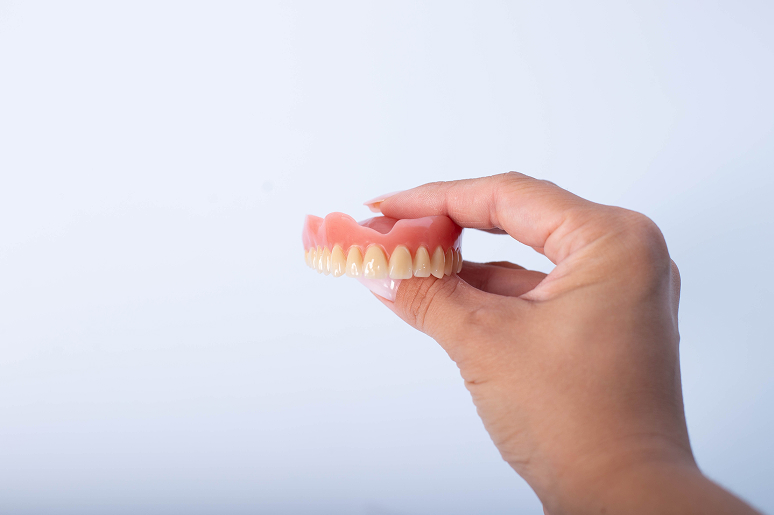
Implant-supported dentures — also called overdentures — are full-arch dentures that attach to two to four dental implants placed in the jaw. Unlike traditional dentures that rest on the gum tissue and rely on suction or adhesives to stay in place, implant-supported dentures snap or clip securely onto the implants, providing dramatically improved stability and function.
They can be removed by the patient for cleaning, making daily oral hygiene straightforward, while the implants ensure the denture stays firmly in place during eating, speaking, and laughing. For patients who are not ready for or do not want fully fixed implant restorations, implant-supported dentures offer a powerful middle ground.
Types of Attachment
Implant-supported dentures typically use one of two attachment mechanisms: ball-and-socket (locator) attachments, where each implant has a ball that snaps into the denture; or a bar attachment, where a thin metal bar connects several implants and the denture clips onto the bar. Dr. Hoover will recommend the most appropriate option based on your bone structure and lifestyle.
Implant attachments hold the denture securely during all activities — eating, speaking, laughing — eliminating the embarrassment of shifting dentures.
Remove the denture at night for thorough cleaning. Simple daily care keeps both the denture and implant sites healthy for the long term.
The implant posts stimulate the jawbone, slowing the bone loss that accelerates with traditional dentures and causes facial changes over time.
The Procedure
How Implant-Supported Dentures Are Made
The process begins with a consultation and 3D imaging to evaluate your bone volume and plan the number and placement of implants. For a lower arch overdenture, two implants are typically sufficient. The upper arch, which has less dense bone, often benefits from four implants for secure support.
The implants are placed in a brief outpatient surgery under local anesthesia or IV sedation. A healing period of several months follows, during which you may wear a temporary denture. Once the implants have fully integrated with the bone, your permanent custom denture — fitted with the appropriate attachment system — is delivered and adjusted for a precise, comfortable fit.
Existing denture wearers who are happy with the appearance of their current denture may in some cases be able to have it converted to an overdenture. Dr. Hoover will advise whether this is possible at your consultation.

Candidacy
Who Benefits Most from Overdentures?
Implant-supported dentures are an excellent option for current denture wearers who struggle with instability, soreness, or restricted diet. They are also well suited to patients who are edentulous (toothless) but may not be ready for the fully fixed All-on-4 or All-on-X solutions — whether due to budget, medical considerations, or personal preference.
Because overdentures require fewer implants than fully fixed solutions, they are often appropriate even for patients with some degree of bone loss. A thorough evaluation will determine whether additional bone grafting is needed to place the implants securely.
Typically two to four implants per arch. Lower jaw overdentures are commonly supported by two implants. Upper arch overdentures generally require four implants for reliable retention due to the nature of upper jaw bone.
They feel significantly more like natural teeth than conventional dentures. The secure attachment means no rocking or movement, and the bite force you can generate is greatly improved compared to traditional dentures.
The attachment components (locators or clips) typically need replacement every one to three years due to normal wear. The implant posts themselves and the denture base can last many years with proper maintenance.